There are regional co-operative retailers who serve their localities and ensure the survival of their towns. Many have long histories with the Junee and District Co-operative in NSW, founded in 1923, and the Barossa Co-op at Nuriootpa in South Australia, founded in 1944. The Junee Co-operative increased its membership during the Great Depression when its privately owned competitors imposed harsh credit policies on their customers during a time of financial distress.
The Junee Co-operative is embedded in the local community through the employment it provides to residents and its support for local social and sporting events. It ensures that Junee remains a local retailing centre by purchasing from local businesses, such as the bakery, and meeting residents’ needs to encourage them not to shop at the nearby larger city of Wagga Wagga. The Barossa Co-op was established when the owner of the main store in the town decided the sell his store to the community following the death of his son in the Second World War.
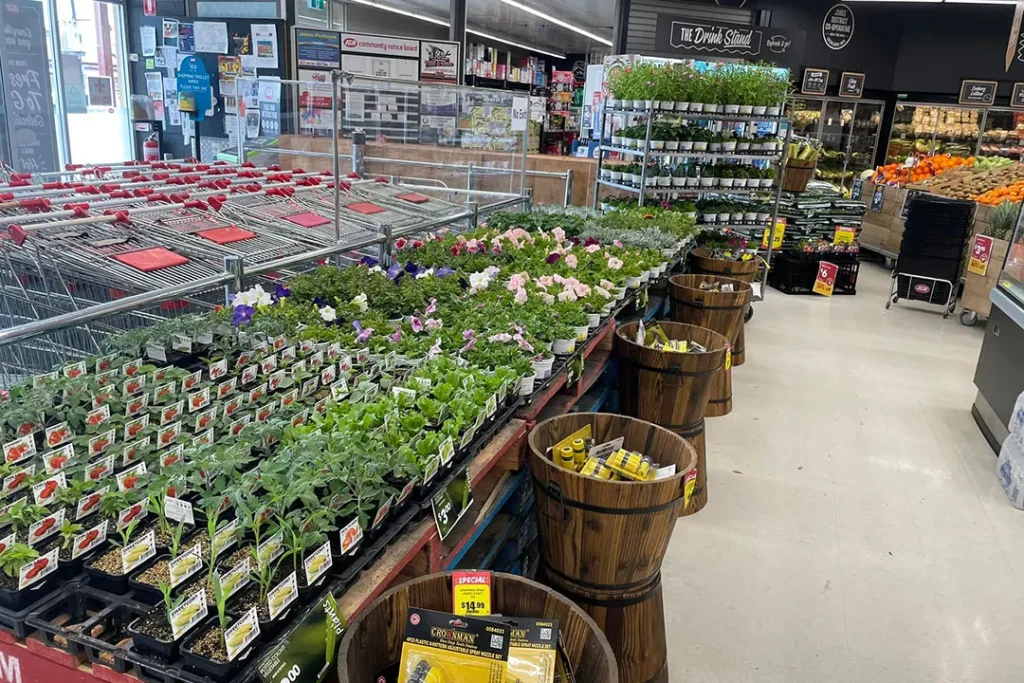
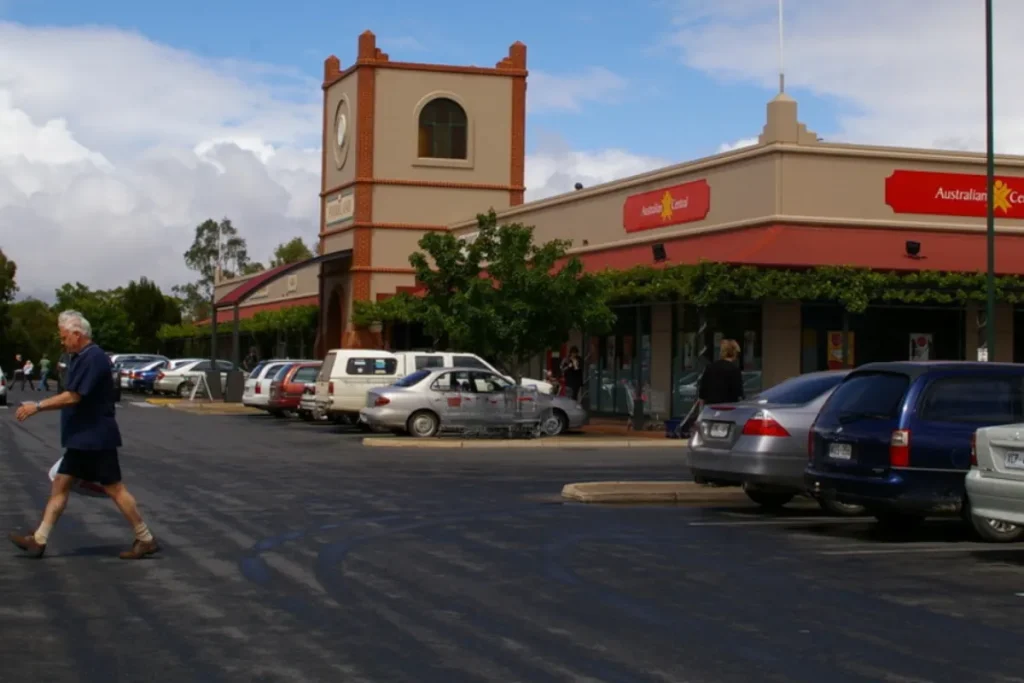
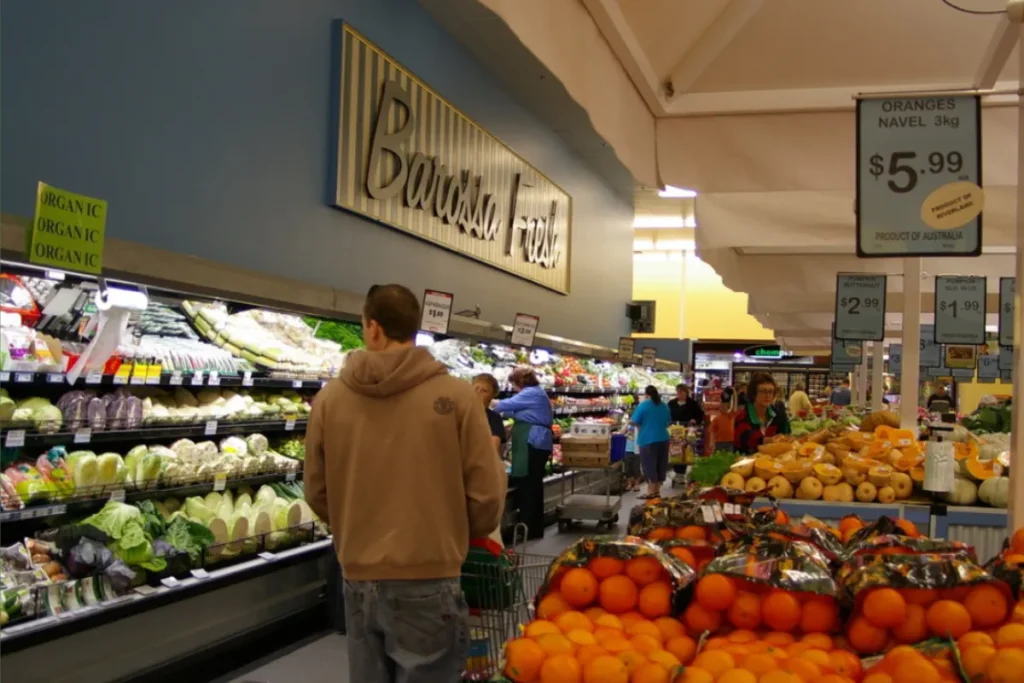
More recently, the Barossa Co-op faced the onset of the COVID-19 Pandemic and severe shortages of stock by introducing buying limits on key products and exclusive shopping times for specific community groups. The Co-op also expanded its online presence by purchasing new delivery vans. Like the Junee Co-operative the Barossa Co-op is vital for the Nuriootpa and the local economy. It has over 21,000 members, employs over 300 staff and supports 80 volunteer-based local sporting and community activities. Its services include a supermarket, a café, a shopping centre and a range of local franchisees including Mitre 10 and Toyworld.
The Junee and Barossa Co-ops highlight the long-term staying power of consumer co-operatives and their service to local communities in the face of the dominance of large Australian supermarket chains.